Understanding the Relevance of the ABPM Test in High Blood Pressure Monitoring
Ambulatory Blood Pressure Monitoring (ABPM) is a pivotal device in taking care of hypertension. By supplying constant blood pressure readings over 1 day, it offers insights that standard measurements can not. This technique can reveal conditions such as white layer disorder and covered up hypertension. Understanding these subtleties is important for efficient individual care. As healthcare progresses, the implications of ABPM in forming individualized treatment methods become increasingly substantial. What does this mean for the future of high blood pressure management?
What Is Ambulatory Blood Pressure Monitoring (ABPM)?
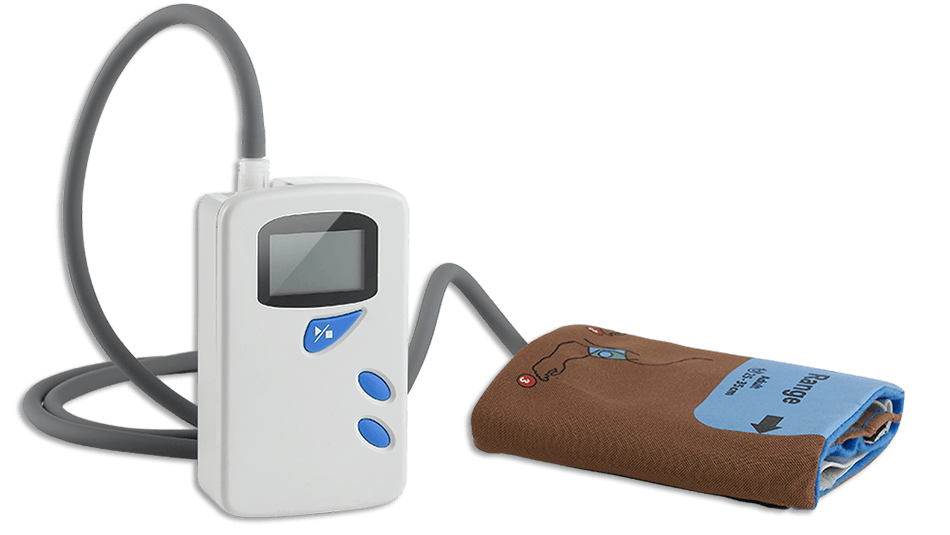
Ambulatory Blood Pressure Monitoring (ABPM) is an approach that permits the continuous dimension of blood pressure over a 24-hour period while clients engage in their everyday tasks. This cutting-edge strategy includes the usage of a mobile tool that immediately takes blood pressure readings at set periods, normally every 15 to thirty minutes. ABPM supplies a complete profile of blood pressure fluctuations throughout the day and evening, recording variants that may be missed during common workplace measurements.It is especially useful for diagnosing problems such as high blood pressure and white coat syndrome, where clients show raised analyses only in scientific setups. By giving real-time information, ABPM boosts the accuracy of high blood pressure assessments and aids in customizing therapy strategies. The insights obtained from this monitoring may bring about far better monitoring of cardiovascular health and wellness, reinforcing the importance of ABPM in contemporary medical method.
How ABPM Varies From Traditional Blood Pressure Dimensions
While traditional blood pressure measurements normally rely on analyses taken in a scientific setup, ABPM provides an extra considerable strategy by reviewing blood pressure over a complete 24-hour duration. Conventional techniques typically create a limited variety of readings that might not record fluctuations in blood pressure throughout the day. On the other hand, ABPM enables continual monitoring, providing understandings right into variants during different tasks, such as sleeping and exercising.Additionally, conventional measurements may be affected by the client's stress and anxiety during a medical professional's see, called "white coat disorder," potentially bring about improperly high analyses. ABPM minimizes this concern by accumulating data in an acquainted setting, producing a more accurate representation of a person's blood pressure. The device commonly takes measurements at routine periods, ensuring extensive data collection. This fundamental difference highlights the importance of ABPM in supplying a complete photo of a patient's blood pressure account.
Advantages of ABPM in Hypertension Management
Making use of Ambulatory Blood Pressure Monitoring (ABPM) offers significant advantages in taking care of hypertension. It supplies exact and continual blood pressure readings, assisting to recognize problems such as white layer disorder. This exact data allows doctor to make more tailored therapy adjustments tailored to individual client demands.
Accurate Blood Pressure Monitoring

Determining White Layer Syndrome
Ambulatory Blood Pressure Monitoring (ABPM) plays a considerable role in identifying white layer syndrome, a sensation where individuals show elevated blood pressure readings in a medical setting yet preserve normal degrees in their everyday lives. This problem can result in misdiagnosis and unneeded therapy, complicating high blood pressure monitoring. ABPM supplies a complete assessment of blood pressure over a 24-hour duration, recording variations that happen during daily activities and rest. By contrasting these readings to center measurements, doctor can compare true high blood pressure and white coat syndrome. Inevitably, acknowledging this disorder is vital for tailoring suitable treatment strategies and preventing overtreatment, guaranteeing that individuals get care that precisely shows their blood pressure condition outside the professional atmosphere.
Customized Treatment Changes
Enhancing high blood pressure monitoring through individualized treatment changes comes to be feasible with the insights acquired from ABPM. This approach provides constant blood pressure monitoring, enabling medical care carriers to recognize patterns and fluctuations that may not be noticeable during conventional workplace check outs. By comprehending a client's distinct blood pressure account, medical professionals can customize therapy plans that think about factors such as drug effectiveness, lifestyle affects, and individual response to therapy. This individualized strategy not only boosts patient adherence but also enhances total outcomes by reducing the danger of problems linked with unrestrained high blood pressure. Ultimately, making use of ABPM encourages medical professionals to make educated choices, causing a lot more efficient administration methods that straighten with each client's details requirements.
Determining White Coat High Blood Pressure and Masked Hypertension
White coat hypertension takes place when patients exhibit elevated blood pressure readings in a professional setup due to anxiety, while their measurements are regular in other environments. In contrast, masked hypertension describes individuals whose blood pressure is regular throughout clinical gos to but raised in day-to-day live. Comprehending these two sensations is essential for accurate hypertension management and therapy check my reference decisions.
Specifying White Layer Hypertension
Hypertension management typically includes comparing numerous blood pressure problems, particularly white coat high blood pressure and covered up hypertension. White coat hypertension is defined by raised blood pressure readings in professional settings, usually as a result of stress and anxiety connected with clinical atmospheres. Clients with this problem generally exhibit typical blood pressure levels outside of these settings. This phenomenon can lead to misdiagnosis and unnecessary treatment if not appropriately identified. It is essential for medical care service providers to recognize this condition to avoid overtreatment and to assure exact high blood pressure management. ABPM test in Bangalore. Using ambulatory blood pressure monitoring (ABPM) can assist separate white coat hypertension from sustained hypertension, allowing extra efficient and customized treatment strategies for people experiencing this special blood pressure feedback
Comprehending Masked Hypertension
Masked high blood pressure poses a significant obstacle in high blood pressure monitoring, as it commonly goes unnoticed in professional setups. This condition occurs when a client's blood pressure readings are typical during clinical brows through but elevated at home or throughout day-to-day tasks. Unlike white coat high blood pressure, where anxiousness in a scientific atmosphere results in find here temporary spikes in blood pressure, masked high blood pressure can lead to unrecognized cardiovascular risks. Clients might believe they have normal blood pressure, ignoring needed way of life adjustments or treatments. Recognizing concealed high blood pressure is important, as it can bring about serious health problems in time. Ambulatory Blood Pressure Monitoring (ABPM) is a reliable tool for discovering this condition, allowing health care experts to offer prompt treatment and boost person results.
The Role of ABPM in Personalized Therapy Plans
As healthcare suppliers increasingly identify the relevance of individualized care, the application of Ambulatory Blood Pressure Monitoring (ABPM) has actually become essential in customizing therapy strategies for clients with hypertension. ABPM enables continuous blood pressure dimension over 24 hr, exposing patterns that might be missed throughout common office visits. This thorough information provides understandings into a patient's blood pressure irregularity and nighttime levels, which are critical for comprehending total cardiovascular threat.
Translating ABPM Results: Recognizing Patterns and Trends
Translating the outcomes from Ambulatory Blood Pressure Monitoring (ABPM) calls for an eager understanding of numerous patterns and fads that emerge from the collected data. Clinicians analyze the 24-hour blood pressure profile, distinguishing in between daytime and nighttime readings to recognize potential white-coat high blood pressure or concealed hypertension. A regular elevation in daytime readings may show poorly controlled high blood pressure, while nighttime dips can symbolize efficient blood pressure administration or nighttime high blood pressure, which positions extra cardio risks.Trends with time, such as sustained increases or fluctuations, are additionally crucial. Irregularity in readings can recommend underlying problems, such as stress and anxiety or medication non-adherence. Furthermore, the assessment of blood pressure patterns in connection with everyday activities can offer understandings into way of living elements impacting hypertension. By very carefully interpreting these results, healthcare experts can customize therapy techniques to boost person end results in hypertension administration, eventually causing better cardio health and wellness.
The Future of Blood Pressure Monitoring and Hypertension Care
Emerging modern technologies and innovations are positioned to transform blood pressure monitoring and high blood pressure care in the coming years. Wearable devices furnished with sophisticated sensors are anticipated to offer constant, real-time blood pressure readings, permitting more personalized therapy routines. These devices will not only enhance person involvement yet also help with remote monitoring by doctor, causing timely interventions.Artificial intelligence and artificial intelligence formulas will certainly play an important duty in examining person data, identifying patterns, and predicting hypertension-related complications. This anticipating capacity can result in more aggressive administration techniques. In addition, telehealth services will likely increase, allowing people to talk to professionals and receive customized recommendations without the demand for in-person visits.Furthermore, improvements in mobile applications may equip clients to track their blood pressure separately, promoting a sense of possession over their health and wellness. On the whole, the future of blood pressure monitoring and hypertension treatment appears promising, with innovation at its forefront.
Often Asked Questions
Exactly how Lengthy Does an ABPM Test Usually Last?
The ABPM test normally lasts 24 hr. Throughout this duration, a mobile gadget measures blood pressure at regular intervals, supplying considerable data on a client's blood pressure patterns throughout everyday activities and sleep.
Can ABPM Be Utilized for Kids and Teens?
ABPM can undoubtedly be used for children and teens - ABPM test in Bangalore. It gives valuable understandings into their blood pressure patterns, aiding medical care suppliers accurately detect and handle high blood pressure in more youthful populations, promoting much better lasting health and wellness end results
What Should I Prevent Prior To Taking an ABPM Test?

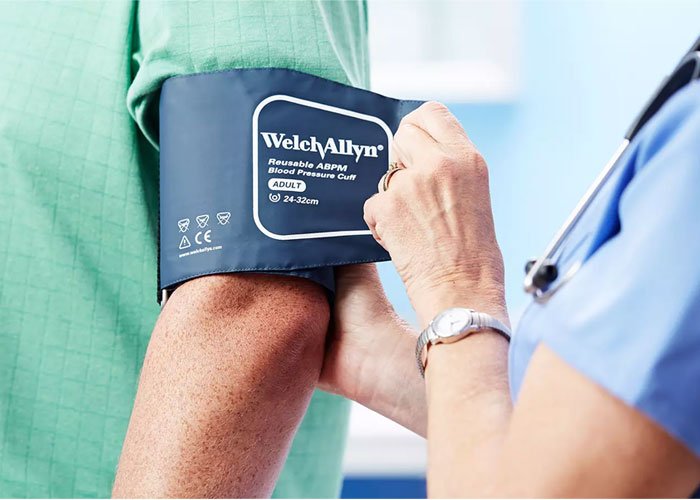
Prior to taking an ABPM test, people must avoid caffeine, pure nicotine, and arduous workout, as these can momentarily raise blood pressure readings. In addition, it's suggested to abstain from putting on tight apparel that may prevent measurement accuracy.
Just how Usually Should I Go Through ABPM Testing?
The frequency of ABPM testing varies based upon individual health demands. Typically, it is advised every six to twelve months, particularly for site link those with uncontrolled hypertension or considerable changes in blood pressure medicine. Routine monitoring help efficient monitoring.
Is ABPM Covered by Insurance Policy Plans?
The protection of ABPM testing by insurance coverage strategies varies substantially. People ought to consult their details insurance policy providers to establish qualification and any type of prospective out-of-pocket expenses related to this diagnostic procedure for high blood pressure management.